话说Gary Shteyngart去年写了本怪书,名曰Absurdistan,讲诉了种种荒唐的事情:好比说,主人公的父亲为了不让他儿子回到美国而留在圣彼得堡而无缘无故的暗杀了一美国商人,并随后暗杀了自己;主人公为了重返美国而至一莫须有国家Absurdisvani来购买比利时护照;Absurdisvani分两地对种族,因为对东正教十字架下方斜架的朝向问题而纠缠了千年;这个坐落于俄罗斯和伊朗的莫须有国家之创建人为了能在石油被哈利伯顿榨干后继续得到赚钱机会,“暗杀”了自己的总统,并从百瑞大酒店上通过乌克兰佣军对自己的人民开始了狂轰乱炸以得到美国出兵(并和哈利伯顿签约)的理由...
总之是此书非常荒唐,把美国和俄罗斯讽刺到了位。不过今天我与一朋友的交谈则更荒唐。朋友说,你看啊,这塔克拉玛干沙漠,荒着也是荒着,实在是可惜了。怎么叫可惜呢?这可是挣钱的大好机会啊!我们首先圈地,然后迅速开赌场。正好,借此机会在国内发展Poker,就由中小学生开始做起。这叫“体育竞技”,是需要脑力的。正好帮中央五台引进High Stake Poker,还可以用来教英语。哗啦哗啦我们就发了,地方经济也起来了。然后剩余的土地开出租生意:你看这年头国家之间不是喜欢打仗吗?而每次都导致平民死伤,战后还得重建;不如直接在沙漠解决,反正也没什么损失。说不定过个几十年沙漠沉淀的有机物多了还真成绿地了——全球在暖化一下,直接变热带森林。剩下的沙子啊——就这么办。你去过海滩吧,感觉很不错吧?不觉得在沙滩上走路是最好的按摩吗?对,沙是很有用的。我们就这么做,把沙漠的沙卖到城市里,搞不同颜色的然后加上标示:一曰“黄金沙滩”、一曰“加州沙滩”。你看啊,这年头沙漠化也挺严重的,北京年年沙尘暴,而沙漠资源又特浪费:都给小学生植树用去了,白天一学校的植,晚上工作人员拔,第二天又一学校来植。而我们的沙土生意就把这问题都解决了:咱去美国加州,卖给当地华人,就说,你看,这可是乡土啊!然后人家说:不对啊,这怎么像家后院海滩的沙子?他明显没注意得到这沙袋最下面那排小字:“由于我公司处理沙务繁多,可能无法保证沙土出处的准确性,如有错误,请多多包涵*”,还有后面更小的附记:“*本产品一经出售,恕不退换”... 赚的钱怎么办呢?很简单,去公海上买个荒岛圈起来,然后用来当自由港,上面开个莫须有的公司注册处就行了。接着咱IPO就不用去什么英属维京群岛注册了,就在荒岛上搞。顺便可以开始宣传岛产物品的期货,倒卖莫须有的权利。顺便可以开发最新的房地产期权,邀请温州炒房团来个一番,房子不用盖价格就上去了...
Thursday, May 3, 2007

Tuesday, April 17, 2007
书评:To the Finland Station
To the Finland Station算得上是上世纪著名纽约知识分子Edmun Wilson的大作了。Wilson从法国历史学家Michelet,乌托邦社会主义者Saint-Simon和Owen,直到马克思、恩格斯,最后经过列宁和托洛茨基,就如1917年4月列宁坐上了去彼得格勒芬兰站的火车一样,将共产主义描述成了一历史性的列车——从最初开始就已经无法阻止,最终造就了十月革命。此书以Michelet, 马克思与列宁为主线,其余的人物与其想法亦有相对详细的介绍。虽然此书对黑格尔辩证体系有一定的误解,但不失为少有的完整性思想史,在此特别推荐。
--
1917年4月16日,列宁同志在与敌对的德意志帝国调解后,途径瑞士、德国、芬兰,终于抵达了彼得格勒。历史的步伐从此便如洪流般前进了...
--
1917年4月16日,列宁同志在与敌对的德意志帝国调解后,途径瑞士、德国、芬兰,终于抵达了彼得格勒。历史的步伐从此便如洪流般前进了...
Sunday, April 15, 2007
刘泓:一幕悲喜剧
女士们先生们同志们同胞们父老乡亲们还有其余剩下忽略不计的人们
请静听观看取笑
我
刘泓
无为又无味的无谓和无畏
一场不在宜昌的异常闹剧
一幕不则不扣的悲喜剧
就如
弯曲的街道前的死胡同
忽然降临一来自未来的客人
我欲感慨柳暗花明
却发现杏花村前
食尸鬼和盗墓贼狼狈为奸
只剩下满地尸骨
和失意的亚特拉斯
背负着那巨大球体原地打转
破旧的留声机
卡在了田园交响曲的前三个音
我和他用汁液写下了契约
他:续写我的打油诗
我:撑起那生命不可承受之轻
失意的诗意就如十一月失忆
诗人欲乘风而去,歌唱不朽的老歌——
"Fly me to the moon
Let me sing among those stars
Let me see what spring is like
On Jupiter and Mars..."
却被黑猫的怪叫——“通行证!”
吓得毛骨悚然
只好灰溜溜地夹着那些
未完成不存在永远写不完也烧不掉的手稿
逃回那坐满了笑面人的空剧场
继续歌唱挽歌颂歌和招魂歌
请静听观看取笑
我
刘泓
无为又无味的无谓和无畏
一场不在宜昌的异常闹剧
一幕不则不扣的悲喜剧
就如
弯曲的街道前的死胡同
忽然降临一来自未来的客人
我欲感慨柳暗花明
却发现杏花村前
食尸鬼和盗墓贼狼狈为奸
只剩下满地尸骨
和失意的亚特拉斯
背负着那巨大球体原地打转
破旧的留声机
卡在了田园交响曲的前三个音
我和他用汁液写下了契约
他:续写我的打油诗
我:撑起那生命不可承受之轻
失意的诗意就如十一月失忆
诗人欲乘风而去,歌唱不朽的老歌——
"Fly me to the moon
Let me sing among those stars
Let me see what spring is like
On Jupiter and Mars..."
却被黑猫的怪叫——“通行证!”
吓得毛骨悚然
只好灰溜溜地夹着那些
未完成不存在永远写不完也烧不掉的手稿
逃回那坐满了笑面人的空剧场
继续歌唱挽歌颂歌和招魂歌
Tuesday, April 10, 2007
诗歌一首
晕眩中静听虚海之涛声——
白夜中的黑日
遥想乐土中无止境的痛苦
香巴拉、香格里拉
耳鸣:噪音——
我欲无声悲鸣
但恐惧吞噬了我的灵魂
空壳:空洞的屋子
我孤零零地站着
是昏睡中的噩梦?还是
噩梦呼唤着支撑不住的身躯——
沉睡吧!那儿有更多的幻觉
宿静;无形的图像
无声的噪音
无助的个体
白夜中的黑日
遥想乐土中无止境的痛苦
香巴拉、香格里拉
耳鸣:噪音——
我欲无声悲鸣
但恐惧吞噬了我的灵魂
空壳:空洞的屋子
我孤零零地站着
是昏睡中的噩梦?还是
噩梦呼唤着支撑不住的身躯——
沉睡吧!那儿有更多的幻觉
宿静;无形的图像
无声的噪音
无助的个体
Sunday, April 8, 2007
Harvard China Review / 哈佛中国评论
昨天去了第十年度的Harvard China Review。因为主观和客观的原因,只有时间去听了最后的一个panel,有几个选择,包括Law, Health Care,和Finance。为了捧朋友的场和自己的兴趣,我自然去了讨论法律的。刚进房间就被震惊了:只见讲台边被围得水泄不通,一个个参加会议的都冲了上去,争先恐后的与几个嘉宾讲话,递名片。还有一人,大概三、四十岁的样子走过来和我们“认识”,当知道我们仅仅是学生后自然没有把早已准备好的名片递给我们。哦,原来如此:之前的panel是investment。弄了半天原来是大家都想建立点“关系”,试图找几份“实习”机会啊!我还说呢:要真是这么多人对法律感兴趣那中国岂不是真要转型成“和谐社会”了?过了几分钟主办方就催上一场的人出去了。这才发现真正来听法律的人数不足整间房子可容纳人数的四分之一。这还是很篇商业的法律讲座呢。唉,可叹!
讲座的内容虽然很偏商业,不完全对我个人的胃口,却还是非常有意思。几位嘉宾除了一位在雷曼兄弟工作以外均来自不同律师事务所,有的常驻中国,有的在美国帮助不同的公司打入中国市场。只可惜大部分来参加这次论坛的朋友们只看到了钱,却没有想到那些给他们带来赚钱机会的体制。
讲座的内容虽然很偏商业,不完全对我个人的胃口,却还是非常有意思。几位嘉宾除了一位在雷曼兄弟工作以外均来自不同律师事务所,有的常驻中国,有的在美国帮助不同的公司打入中国市场。只可惜大部分来参加这次论坛的朋友们只看到了钱,却没有想到那些给他们带来赚钱机会的体制。
Thursday, April 5, 2007
春假过后的牢骚
春假回家了一趟,费城纽约几所学校见了不少朋友,还有幸与教授一起在曼哈顿游逛,相当充实。回学校后发现房间被室友弄得一塌糊涂,便变得毫无干劲,快一星期过后觉得自己有如废柴。不过在此我一定要抱怨一番:若水我最讨厌的就是那些虚伪自私的人,把朋友当工具使,用完即甩,为了自己的利益一点都不讲义气。
--
话说回来了,昨日杜维明教授在课堂上提到,当年Summers校长还在时,不时邀请有兴趣的教授坐在一起讨论伦理问题。在一次讨论会上,Michael Sandel,知名政治学伦理学教授,经过多年教授我校最受欢迎的“正义”课之后,表明他不能确认学生上了他的课以后会在道德上有任何真正的感触。唯一能确定的只有一点:大部分的学生都是道德相对论者——而且是那种打着“自由主义”、“多元主义”牌子的肤浅相对论者。虽然我不同意Sandel的一些伦理学观点,但是想想发现他的观察太有道理了!这里的学生,大多都非常骄傲,非常有野心,自以为已经成为了政治家、商界巨豪,怎么想怎么做事情都跳不出“self-interest”的圈子。自愿者行为是为了resume,理想是为了能让自己显得与众不同而得到别人的重视;任何都能成为为了使“自我”受益的工具。而什么道德、伦理,自然也一样,成为了适用于自己的工具。对这种人来说,还有什么能胜于实为肤浅伦理相对论,名为“自由主义、多元主义”这个伪装呢?
阳明先生临终时说过“此心光明,亦復何言”!有多少哈佛本科学生配得上这句话呢?不,可能每个人都配得上:因为对于大部分的我们来说,我们自欺欺人的手法已经高人一等,自然能自圆其说,先骗别人,再骗自己。我也好不到哪里去。只不过我还是有那么点自知之明,直到自己虚伪也非常厌恶自己的虚伪,也知道自己傲慢不屑于其他的人。这一点我毫无隐瞒之意;不过也是这样,我才有了犬儒的权力,讥讽自己,嘲笑别人。
--
话说回来了,昨日杜维明教授在课堂上提到,当年Summers校长还在时,不时邀请有兴趣的教授坐在一起讨论伦理问题。在一次讨论会上,Michael Sandel,知名政治学伦理学教授,经过多年教授我校最受欢迎的“正义”课之后,表明他不能确认学生上了他的课以后会在道德上有任何真正的感触。唯一能确定的只有一点:大部分的学生都是道德相对论者——而且是那种打着“自由主义”、“多元主义”牌子的肤浅相对论者。虽然我不同意Sandel的一些伦理学观点,但是想想发现他的观察太有道理了!这里的学生,大多都非常骄傲,非常有野心,自以为已经成为了政治家、商界巨豪,怎么想怎么做事情都跳不出“self-interest”的圈子。自愿者行为是为了resume,理想是为了能让自己显得与众不同而得到别人的重视;任何都能成为为了使“自我”受益的工具。而什么道德、伦理,自然也一样,成为了适用于自己的工具。对这种人来说,还有什么能胜于实为肤浅伦理相对论,名为“自由主义、多元主义”这个伪装呢?
阳明先生临终时说过“此心光明,亦復何言”!有多少哈佛本科学生配得上这句话呢?不,可能每个人都配得上:因为对于大部分的我们来说,我们自欺欺人的手法已经高人一等,自然能自圆其说,先骗别人,再骗自己。我也好不到哪里去。只不过我还是有那么点自知之明,直到自己虚伪也非常厌恶自己的虚伪,也知道自己傲慢不屑于其他的人。这一点我毫无隐瞒之意;不过也是这样,我才有了犬儒的权力,讥讽自己,嘲笑别人。
Friday, March 23, 2007
中庸、我的矛盾主义和更多的矛盾
今日和一位许久未见的朋友聊天时跟他提及了我的矛盾主义,包括我那个儒、佛、基督教伊斯兰神秘主义都包括的个人信仰问题,他忽然觉得我的思想很“中庸”。当然,作为一个矛盾主义者,我是不能接受这个答案的。《礼记·中庸》曰,“喜怒哀乐之未发谓之中,发而皆中节谓之和”。“中”我肯定达不到,因为我在提倡“克己复礼”时同时会为了追求真实性而允许情感自由发挥。“和”也不能代表我的思想,因为我并不是在“中和”两个对立的极端,而是同时接受并且同时否认二者。用一个简单的数学例子来证明的话,“中”是说,0和0的平均值是0,“和”则是说,-1和1的平均值是“0”,而我的矛盾注意则压根就没有去想过“平均值”,而是说-1和1的绝对值是一样得,而真理的一部分则混杂这矛盾之中。好比说,我是一个乐观的悲观主义者,或者悲观的乐观主义者。这并不代表我实际上是乐观,无法接受悲观主义,或者相反,而是说,我会在完全接受人性悲观的事实时同时接受乐观的希望,或者在乐观的希望中找到悲观的绝望。朋友听过后,向我反映说理论多少有些不通。我回答道,“不通就对了,如果能“通”,怎么能称得上是矛盾呢?矛盾主义本身就是一个既通又不通的矛盾。”
Thursday, March 22, 2007
春假
下午4点上完了社会理论课:在两小时沉闷玄谈“种族问题”后,室外的春风格外令人舒畅。几分钟前还有一种窒息的感觉,转眼就被一种体会到短暂“自由”的欣喜感觉替代了。我,坐在街道旁“天堂咖啡馆”(Cafe Paridiso)内,独自享受这提早到来春假的第一刻。说实在的这家咖啡馆多少有些差强人意,内部是绿色和蓝色所构成的一种现代格调,听不见什么像样的音乐,而且柜台后摆了不少冷饮和其他的瓶瓶罐罐,外加还零售冰淇凌,完全不能算得上是一所令人舒服的感觉。同时,店里有一股很重的熟食味,而缺少了咖啡香、茶香、书香。我点的是冰冻香料茶,还算勉强,但价格却不菲。后面一位客人跟着进了咖啡馆,找到了正在等他的朋友,隐隐约约听到他称赞此处为“永远有空位子的好地方”。我苦笑了一下,找了个靠窗的地方坐了下来:反正待会儿还有事情,不如休息一番,好好读读Mandelstam的诗歌,然后上网翻译点东西。哪知道这家店声称提供了网络,却还是要缴费的那种。想到这些心就冷了下来,看看时间,还是勉强一下好了。
最近经常有一种“想冲出去”。也可以说是”想逃出去”,但仔细想了想觉得使用“逃”太消极,而且也太便宜这个我属于的大学、社会、和生活了。往往事与人违,越发是在意和刻意的去抵触某些东西,就越发发现自己实际上更加主观的把自己的思想套死了。很多东西如果不刻意去钻牛角尖的话是根本就不成问题的;只有相信“有关联”才会存在。但我的性格是不容忍这种存在的。特别是那种“只要不想了就可以安稳生活”的想法,是绝对不能接受的。哪怕知道所想的可能是无关紧要的,是无益的,也要去挑战。这并不是一种“反抗”,一种主观的与某种思想对立,而只是一种自我性的肯定而已。当然,自己的做法很多方面是可笑的,甚至是可悲的。可惜我相信矛盾,喜欢这种追逐无益的生活。可能这就是一个犬儒的命运吧!
我不属于这里,也不属于另外一些地方,更不属于一个想象的“理想国”。正是这样我才有了自己的归属:我属于“不属于”,属于“矛盾”。也就是说,在那每一刻给自己带来痛苦的怀疑并同时怀疑自己怀疑的可能性的存在本身就是一种美好的生活。这每一秒自叹毫无艺术天赋就是一种艺术性的生活。这每一刻非理性的杂谈就是我的理性。
太阳是耀眼的;哪怕它只是一个内部黑暗的光圈所带来的幻觉也好,只要能在这一刻亲身感觉到它所带来的温暖,那又何妨?它刺瞎了我的双眼;虽然看不见前方,但只要还能体会到这种温暖,我就会一刻不停地去追寻着温暖的源泉。
Tuesday, March 20, 2007
诗歌一首
黑暗 夜在不留意时降临
哀声惆怅 倾听那古老的竖琴
小伙子 逃不出水晶宫 自己烦闷
遥望着城市 灯光 映紫了天的阴阴
我望着一行行文字 为谁发呆
饥饿 渴望 自比康桥乞丐
粉红 深红 猩红 变味的大海
向左 向右 迷宫中 横排竖排
瞳孔中的孩子 第一次 走上操场讲台
转眼 红领巾已在风中 散开
前天才抵达枫叶国 回首却已不再
南海沙滩的一个个脚印 被海水掩埋
想要挽留 却找不回你的踪影
流水盈科 大江东流 却无法唤醒
那沉睡的声音早已习惯梦中的安宁
他依然守着长夜 自悼 不知冥冥
哀声惆怅 倾听那古老的竖琴
小伙子 逃不出水晶宫 自己烦闷
遥望着城市 灯光 映紫了天的阴阴
我望着一行行文字 为谁发呆
饥饿 渴望 自比康桥乞丐
粉红 深红 猩红 变味的大海
向左 向右 迷宫中 横排竖排
瞳孔中的孩子 第一次 走上操场讲台
转眼 红领巾已在风中 散开
前天才抵达枫叶国 回首却已不再
南海沙滩的一个个脚印 被海水掩埋
想要挽留 却找不回你的踪影
流水盈科 大江东流 却无法唤醒
那沉睡的声音早已习惯梦中的安宁
他依然守着长夜 自悼 不知冥冥
Monday, March 19, 2007
妥协
晚上从燕京走出时发现又一次下雪了:过马路时,右侧的车灯印现出一粒粒的小雪花,像尘埃似的随风飞扬。黑暗。寒冷。毫无三月下旬应有的春意。有一种沉闷压抑的感觉,只想从速进入一个受保护的避难所,不想多逗留,就找到了一小门进入深红之园。小门不是往常熟悉,刻有庄严谚语的Dexter Gate,也不是Widener图书馆后面的大门,只是一个叫不上名字的小门。呈拱形,如园内的建筑一样由深红的砖块铸成。一盏暗黄的吊灯照亮了门内,微小的灯火驱逐了黑暗,却带来了另外一种威胁。不能在此久留!我欲离去,却突然发现了左侧墙上粉笔写的几行字——向后看;好奇心使我不知不觉地转身朝右侧的墙上望去,眼睛却恍惚了一阵子,只看到了几行同样粉笔书写的文字中间的两行——“沉默还不如死亡,那么就呐喊吧!” 沉默?死亡?呐喊!得承认当时确实被这几行不知哪位左派分子书写的愤世之言所打动,不由被震撼了一小会儿。对,不能沉默。阳明先生的“知行合一”之理不正是这样吗?如果找到了“道”——哪怕只是它的一小部分——却只沉默而留给自己,不就是没有办法把知道的履行而为“一事”吗?既然这样,就允许我一小会儿分享点想法吧!
之前与一位朋友交谈时提到了大家上大学期间很早即一个一个拼着命找实习接下来找工作的现象。我甚感不快,毕竟从自己的角度出发相信一个堂堂的大学教育应该不单单只是一个通往好工作、什么“成功之道”的垫脚石而已。说到最后,无论我们用什么借口来解释自己“现实性”的行动,不就是一种向社会的功利性妥协吗?如果用是否“妥协”来衡量一个人的生活的话,我们往往认为有两种状态:一种自然是“妥协”,也就是积极的参与社会成为社会机械的一分子——不管是为了名利、金钱还只是为了一个平稳的家庭生活,都是一种“妥协”;另外一种自然是“不妥协”,也就是理想主义者或者一个人理想主义阶段向社会风俗挑战的状态——结果往往是失望或者在一定时间后最终选择“妥协”。笔者认为,如果只从一个二元的观点来看这个问题的话就会陷入这个Either/or的弊端,在迫使主体进行二者之间的选择同时把他的自由已经限制在二者之间了。无论是”妥协“还是”不妥协“,都是有了一个明确的”妥协目标”——社会风气——而被动存在的。妥协自然不用说,但问题是哪怕”不妥协“也是建立在一种消极的排斥它的对立面,也就是”妥协”,才能存在的。如果用尼采的话来说的话,二者都是一种slave morality的表现。笔者认为,实际上第三种乃至更多的选择是存在的。也就是说,应该有一种境界是“现实的理想化”的:虽不接受社会风气,不愿“妥协”,却也不厌世而“不妥协”,而以自身的行动来创造一种超越性的存在。曾子云:“夫子之道,忠恕而已矣”(《论语·里仁》。忠诚与社会,以一种仁慈之心来看待它的风气与现象,体谅大家的选择,却同时以自身来做到超越性的存在,在身为其一部分时不必与大家走同样的道路却力图使大家都能走上对他们最好的、正确的道路,不就是所谓的“夫子之道”吗?
之前与一位朋友交谈时提到了大家上大学期间很早即一个一个拼着命找实习接下来找工作的现象。我甚感不快,毕竟从自己的角度出发相信一个堂堂的大学教育应该不单单只是一个通往好工作、什么“成功之道”的垫脚石而已。说到最后,无论我们用什么借口来解释自己“现实性”的行动,不就是一种向社会的功利性妥协吗?如果用是否“妥协”来衡量一个人的生活的话,我们往往认为有两种状态:一种自然是“妥协”,也就是积极的参与社会成为社会机械的一分子——不管是为了名利、金钱还只是为了一个平稳的家庭生活,都是一种“妥协”;另外一种自然是“不妥协”,也就是理想主义者或者一个人理想主义阶段向社会风俗挑战的状态——结果往往是失望或者在一定时间后最终选择“妥协”。笔者认为,如果只从一个二元的观点来看这个问题的话就会陷入这个Either/or的弊端,在迫使主体进行二者之间的选择同时把他的自由已经限制在二者之间了。无论是”妥协“还是”不妥协“,都是有了一个明确的”妥协目标”——社会风气——而被动存在的。妥协自然不用说,但问题是哪怕”不妥协“也是建立在一种消极的排斥它的对立面,也就是”妥协”,才能存在的。如果用尼采的话来说的话,二者都是一种slave morality的表现。笔者认为,实际上第三种乃至更多的选择是存在的。也就是说,应该有一种境界是“现实的理想化”的:虽不接受社会风气,不愿“妥协”,却也不厌世而“不妥协”,而以自身的行动来创造一种超越性的存在。曾子云:“夫子之道,忠恕而已矣”(《论语·里仁》。忠诚与社会,以一种仁慈之心来看待它的风气与现象,体谅大家的选择,却同时以自身来做到超越性的存在,在身为其一部分时不必与大家走同样的道路却力图使大家都能走上对他们最好的、正确的道路,不就是所谓的“夫子之道”吗?
Sunday, March 18, 2007
献给学子们
今日苦读阳明先生《传习录》,读到以下一段,觉得应该与海内外的广大学子们分享一番:
問:「讀書所以調攝此心,不可缺的。但讀之之時,一種科目意思牽引而來,不知同以免此?」先主曰:「只要良知真切,雖做舉榮,不為心累,雖有累,亦易覺克之而已。且如讀書時,良知知得強記之心不是,即克去之,有欲速之心不是,即克去之,有誇多斗靡之心不是,即克去之:如此亦只是終日與聖賢印對,是個純乎天理之心。任他讀書,亦只是調攝此心而已,何累之有?」曰:「雖蒙開示,奈負質庸下,實難免累:竊聞窮通有命,上智之人,恐不屑此不肖為聲利牽纖,甘心為此,徙自苫耳。欲屏棄之,又制於親,不能捨去,奈何?」先生曰:「此事歸辭於親者多矣;其實只是無志。志立得時,良知千事萬事只是一事。讀書作文,安能累人,人自累於得失耳!」因歎曰:「此學不明,不知此處擔擱了幾多英雄漢!」
--
阳明先生一番苦心,劝说大家不要为功名所惑,一定不能忘了“良知”。哪怕一开始是为了考试、为了成功而学,只要能有良知,就能去掉急于求成的心,争强好胜的心,强记死读书的心,和一切公里目的的心,从而印证自己本来即存有之天理之心。虽然我们不需要接受陆王心学“天理”、“良知”、“诚意”和“知行合一”等种种理念,却也可以在这真挚的对话中找到些感触吧!提问人实在是太像我们很多人了(当然也包括鄙人):他觉得自己资质低下,难得消除自己的负担——不像那些出生好的、天资聪明的人,不屑于功名——必须现实的面对科举考试来赢得功名。他觉得自己无助地受到了父母亲人朋友的期望或“约制”——不管是有形的还是无形的——而无法抛弃功利的想法去真正求学。阳明先生的回答甚有道理:我们不能怪罪于父母亲人朋友,而更应该自省,明白问题出在自己身上,是自己没有没有志向!当志向坚定时,心怀良知,无论做什么都是“一事”:此乃不违本心,为己而学,诚意修身,顺道而行之事。先生叹息,“此学不明,不知此处耽搁了几多英雄好汉!”扪心自问,难道这句话不就是针对吾辈现状的肺腑之言吗?鄙人不才,只希望这段话对广大学子们有些帮助。
問:「讀書所以調攝此心,不可缺的。但讀之之時,一種科目意思牽引而來,不知同以免此?」先主曰:「只要良知真切,雖做舉榮,不為心累,雖有累,亦易覺克之而已。且如讀書時,良知知得強記之心不是,即克去之,有欲速之心不是,即克去之,有誇多斗靡之心不是,即克去之:如此亦只是終日與聖賢印對,是個純乎天理之心。任他讀書,亦只是調攝此心而已,何累之有?」曰:「雖蒙開示,奈負質庸下,實難免累:竊聞窮通有命,上智之人,恐不屑此不肖為聲利牽纖,甘心為此,徙自苫耳。欲屏棄之,又制於親,不能捨去,奈何?」先生曰:「此事歸辭於親者多矣;其實只是無志。志立得時,良知千事萬事只是一事。讀書作文,安能累人,人自累於得失耳!」因歎曰:「此學不明,不知此處擔擱了幾多英雄漢!」
--
阳明先生一番苦心,劝说大家不要为功名所惑,一定不能忘了“良知”。哪怕一开始是为了考试、为了成功而学,只要能有良知,就能去掉急于求成的心,争强好胜的心,强记死读书的心,和一切公里目的的心,从而印证自己本来即存有之天理之心。虽然我们不需要接受陆王心学“天理”、“良知”、“诚意”和“知行合一”等种种理念,却也可以在这真挚的对话中找到些感触吧!提问人实在是太像我们很多人了(当然也包括鄙人):他觉得自己资质低下,难得消除自己的负担——不像那些出生好的、天资聪明的人,不屑于功名——必须现实的面对科举考试来赢得功名。他觉得自己无助地受到了父母亲人朋友的期望或“约制”——不管是有形的还是无形的——而无法抛弃功利的想法去真正求学。阳明先生的回答甚有道理:我们不能怪罪于父母亲人朋友,而更应该自省,明白问题出在自己身上,是自己没有没有志向!当志向坚定时,心怀良知,无论做什么都是“一事”:此乃不违本心,为己而学,诚意修身,顺道而行之事。先生叹息,“此学不明,不知此处耽搁了几多英雄好汉!”扪心自问,难道这句话不就是针对吾辈现状的肺腑之言吗?鄙人不才,只希望这段话对广大学子们有些帮助。
Saturday, March 17, 2007
诗歌一首
不要对我说这听到的每一句细语
这每一刻都能感触的身躯——
都只不过是一场骗局
一此又一次被伪装的空虚!
“此心光明,亦復何言”
阳明先生贵为先贤
可那耀眼无以伦比的美艳
在烟霞中潇洒若见
艺术!啊,艺术——
难道你还甘做借口的附属物?
在意识形态中沉淀进一本本厚书?
无助平庸的凡人为你而哭。
窒息的教室被尖鸣震撼
他们一个个拿起自己
一如既往地离开驿站
灵魂失去了记忆——早已各自离席
我歌唱他们的希望
和我们一次次的反抗
这每一刻都能感触的身躯——
都只不过是一场骗局
一此又一次被伪装的空虚!
“此心光明,亦復何言”
阳明先生贵为先贤
可那耀眼无以伦比的美艳
在烟霞中潇洒若见
艺术!啊,艺术——
难道你还甘做借口的附属物?
在意识形态中沉淀进一本本厚书?
无助平庸的凡人为你而哭。
窒息的教室被尖鸣震撼
他们一个个拿起自己
一如既往地离开驿站
灵魂失去了记忆——早已各自离席
我歌唱他们的希望
和我们一次次的反抗
Friday, March 16, 2007
写在忙碌之余
前天还是阳光明媚,好似即将春满花开的样子,今朝却被灰朦阴天唤醒。零下寒风将一丝春意的美梦化为泡影,康桥路人又一次披上了呢绒大衣,走过又一个平凡的周五。哈佛园中前几天嬉戏的新生大部分可能还在睡梦中,而我,一个总是“很忙”的路人,如往常一般推单车而过。我从“安能堡”,一个不再属于我的地方,走出,横穿哈佛园回我那久违了的“第二家”,Lamont图书馆。“安能堡”(Annenberg) 乃一新生食堂,除了早上以外不对我们这些“老人”开放,其食物质量虽差强人意,不愧其“安能饱”之名,但建筑宏伟,室内有多个美观的彩色玻璃,刻画了由荷马至安德洛玛刻的历史神话人物。如能按时起床,我好坐在安能堡内进食早餐,感受那种光透过彩色玻璃射进大堂的感觉,试图找寻自己的灵感。不留神我已经坐在了Lamont图书馆五楼靠窗子的小桌,而难得能享受的早上也即将过去。举头望去,一辆辆汽车在忙碌的马萨诸塞大道驶过,而雪花则又一次飘洒在波士顿城中。又一日来临了。听着Stan Getz的爵士乐,我冥想着一些过去的和无法消除的事情。但往事总会若水一般流逝,而无法避免的则是又一次面对忙碌的生活。孟子说过,“流水之为物也,不盈科不行;君子之志于道也,不成章不达。”即是说,流水会将坑洼一个个地填满,而一步步走下去,顺理成章,则近道亦!历史也罢、生活也罢、社会也罢,自然会顺天道而行;所以我要感触这个世界,这个丑恶却美丽的生活。窗外雀鸟在屋檐上稍息片刻即各自离去。一点一点的雪花已经由少变多,遮盖了我的视线。
Thursday, March 15, 2007
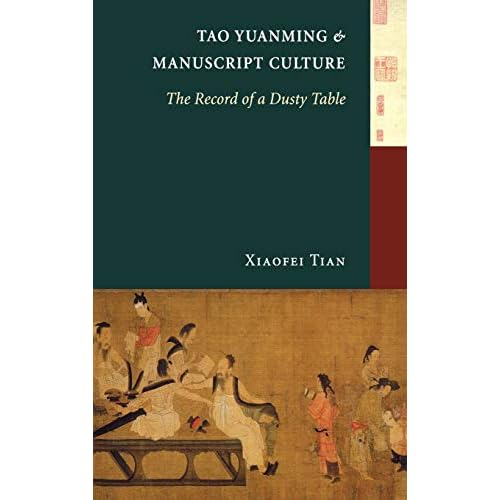
Xiaofei Tian: Tao Yuanming & Manuscript Culture
这几日有空读了田晓菲老师的Tao Yuanming & Manuscript Culture: The Record of a Dusty Table (中文好像会翻成《尘几录——陶诗论稿》)。田老师在此著作中刻画了一个鲜为人知的陶潜:北宋以降,受东坡影响,大部分文人都将渊明看作一脱俗的隐士,并顺其意来解其诗。作者则指出六朝之时的中国文化界乃一“手稿文化”:在印刷术盛行之前,文本的流传往往经过了经过不同人之手,以不同的版本展现在我们面前。好比说,“采菊东篱下,悠然望南山”此二句就引出了后人强加的误解。苏轼提出,“悠然见南山”才是正确的版本,而“望”则是文本流传过程所致之失误:作为隐士的陶潜不会刻意去“望”南山,而只会不留意“见”南山。此观点被多数后人所采。但实际上这二句却可能有不同的意义。作者提出,在六朝时士人思想受老庄之道影响,好清谈玄学,隐居求仙:后人把“菊”认为是一种渊明隐居的比喻,而实际上当时菊花则与“长生不老”更有关联,为草药之一种。如果此观点的话,就不难理解“望”南山了。诗中可能并无那种刻意强调“隐士”的概念——此概念本身可能是后人强加的。作者更提出,陶潜传记并不肯定,无论是《晋书》、《南史》、《宋书》,还是萧统《文选》中渊明之传记,均有相似记载:“潜少怀高尚,博学,善属文,任真自得,为乡邻之所贵,尝著《五柳先生传》以自况,曰:‘先生不知何许人,不详姓字,宅有五柳树,因以为号焉。闲静少言, 不慕荣利。好读书,不求甚解,每有会意,欣然忘食。性嗜酒,而家贫不能恒得,亲旧知其如此,或置酒招之,造饮必尽,期在必醉,既醉而退,曾不吝情。环诸萧 然,不蔽风日,短褐穿结,箪瓢屡空,晏如也。常著文章自娱,颇示己志,忘怀得失,以此自终。”(《晋书·陶潜传》) 也就是说,对陶潜记载多出于其自传:而其自传则是一个名曰五柳先生的虚构人物之传记。陶潜作为“隐士”,也是由他一手打造的。作者则反问:如果陶谦真的是一隐士,为何要留下字据自谓“隐士”?好个“不祥姓字”!当然,作者也明白,“我们得记住这个‘少了些平静少了些不朽的陶渊明'也不能算是权威性版本。它只是很多个可能性中的一个,一个经常被刻意无视了的可能性而已。”作者希望通过陶渊明的例子来说明“多个”陶渊明存在的可能性,以突出中世纪中国的文献不稳定性以及其文献在不同注疏者笔下由于个人或意识形态需要改变而自成一体的现象。通过展现陶诗的不同版本以及东晋刘宋之交的文化以刻画一“手稿文化”,此作品不失为一佳作。
Wednesday, March 14, 2007
Essay: Autonomy or Unity
Autonomy or Unity—
An Analysis of the Relationships of Li, Creativity, and Heaven in Xunzi with a Brief Comparison to Those in Zhongyong
The School of Xunzi has long been considered heterodox in Chinese Confucian tradition, leaving both the text and its doctrines largely ignored for centuries. This paper shall examine the concepts of li, creativity, and Heaven in the text of Xunzi 荀子to demonstrate the separate and autonomous relationship among the three to illustrate a humanistic school of thought with a sociopolitical realistic aspiration for stability. It shall further compare these relationships to those of Zhongyong 中庸, a text to central the school of Zisi and Mencius, to illustrate a different approach taken by a philosophy that metaphysically unites all three through its defining concept of anthropocosmic unity, 天人合一.
The text of Xunzi closely ties the concept of li禮, translated into “propriety” and sometimes “ritual”, with the notion of learning. In the first chapter of the text, “Encouraging Learning”, Xunzi states that “learning begins with the recitation of the Classics and ends with the reading of the ritual [li 禮] texts; and as to objective, it beings with learning to be a man of breeding, and ends with learning to be a sage”.[1] This statement suggests that as far as the physical act of learning is concerned, the importance of a certain collection of texts that describe li is paramount, even more so than the recitation of Classics. Only after one fluently recites the Classics can he then understands li through reading these texts. In addition, the reading of these texts, i.e. the performance and understanding of li, in terms of its objective, is aligned with “learning to be a sage”. Xunzi, indeed, believes li to be “the great basis of law and the foundation of precedents”[2]. The purpose of li, then, sets a sociopolitical aspiration for learning; “basis of law” and “foundation of precedents” corresponds to legitimacy of politics and social norms, respectively. But at the same time, li fulfills an order that is manifest, but nonetheless beyond mere sociopolitical structures, as evident in the immediately following line from the previous statement: “therefore learning reaches its completion with the rituals, for they may be said to represent the highest point of the Way and its power”.[3] Li completes learning to represent Dao 道, the Confucian way, which encompasses the sociopolitical “basis of law” and “foundation of precedents”, but broadens to include human, natural, and cosmic order all together. As A.S. Cua notes, the concept of li formulates in three stages, first as an idea of rule in the sense of archaic religious rites, then as “a comprehensive notion embracing all social habits and customs acknowledged and accepted as a set of action-guiding rules”, with the third “connected with the notions of right (yi) and reason (li)” to accept as an exemplary rule of conduct for “any rule that is right and reasonable”.[4] Hence, li as sociopolitical ordering affixes to the second stage, while it as a symbol of Dao concerns with the third stage.
Xunzi further discusses li as a force that counters and contains man’s natural, base desires. These desires create tensions between men and generates disorder; to counter these disorder the ancient sage kings created li in order to curb these desires, viz. to allow the appropriate satisfaction to the desires in which neither desire exceeds the necessary condition for satisfaction nor the material good lacking to satisfy the said desire— this process explains the logical sequence from “man is born with desires” to “rites [li] are a means of satisfaction”.[5] Xunzi explains that the concept of li contains a conduct of life with the rightful desires appropriate to sociopolitical order, “therefore, if a man concentrates upon fulfilling ritual principles, then he may satisfy both his human desires and the demands of ritual; but if he concentrates only upon fulfilling his desires, then he will end by satisfying neither”.[6] From here it is evident that Xunzi’s concept of li contains an inner transformative force; the practice of li not only ensures that man fulfills the demand of li, that is, sociopolitical norms necessarily for stability, but also the satisfaction of human desires, as the practice of li standardizes the desire into a normative, balanced set of accepted needs. The transformative li, Xunzi states, has the following three foundations: “Heaven and earth are the basis of life, the ancestors are the basis of the family, and rulers and teachers are the basis of order”.[7] Li, then, roots itself deeply with the birth of humanity, the formulation of family, and sociopolitical order; it is a crucial force that harmonizes the natural institutions of heaven-and-earth, family, and society, through which “Heaven and earth join in in harmony, the sun and moon shine, the four season proceed in order, the stars and constellations march, the rivers flow, and all things flourish”.[8] Hence, not only is this li internally transformative, it also affirms a greater order of natural to be one that both imitates and take part in the maintenance of nature. As a result of this belief to li’s importance in both inner transformation and maintenance of nature, Xunzi’s li, to fulfill its two-fold function, is very minute and detailed to incorporate different aspects of social practices, from the proper dealing with auspicious and inauspicious events to the proper containment and display of one’s emotions. Especially detailed is the li of death: as a connecting force that joins man’s life with nature, death needs the most attention paid by li to maintain this natural order.
Why, then, exists li, this completion of learning, inner-transformative force that corresponds to nature? To Xunzi, this question is closely related to his understanding of human nature, and ultimately will be answered by human creativity. Xunzi shows a rather dim view on such a subject:
Man’s nature is evil; goodness is the result of conscious activity [偽]. The nature of man is such that he is born with a fondness for profit. If he indulges this fondness, it will lead him into wrangling and strife, and all sense of courtesy and humility will disappear. He is born with feelings of envy and hate, and if he indulges these, they will lead him into violence and crime, and all sense f loyalty and good faith will disappear. Man is born with the desires of the eyes and ears, with a fondness for beautiful sights and sounds. If he indulges these, they will lead him into license and wantonness, and all ritual principle and correct forms will be lost. Hence, any man who follows his nature and indulges his emotions will inevitably become involved in wrangling and strive, will violate the forms and rules of society, and will end as a criminal.[9]
Xunzi’s Hobbesian approach to man’s nature requires a solution to inevitable disorder that natural tendencies will cause. Unlike Hobbes who proposes a contractual relationship between man and a powerful sovereign who safeguards his life from others and maintain an external social order, Xunzi promotes the learning of li to internally transform man to become good—“man must first be transformed by the instructions of a teacher and guided by ritual principles, and only then will he be able to observe the dictates of courtesy and humility, obey the forms and rules of society, and achieve order”, with the end product of this learning and adjustment process the flourishing of goodness, “result of conscious activity”.[10]
From this notion of “conscious activity” 偽, then, a further question should be raised on the original origin of li, and of this “conscious activity”—what force contains this notion of creativity to generate these set of principles? Xunzi makes it clear that “all ritual principles are produced by the conscious activity of the sages; essentially they are not products of man’s nature”.[11] The sages, serving as the human par excellence both for their moral authority and their creativity ability, consciously creates li with a clear intension to maintain a form of sociopolitical and natural order. Taking the roles of ideal types of human achievement, these sages represent the collective effort of man to ordain proper order in maintaining the stability of society both internally in terms of interpersonal relationships, and externally in the relationship between man and nature. The creation process of li is completely conscious and artificial; it involves the sages, or humanity’s intelligence and wisdom as generative forces as a reaction to nature rather than a decreed patterning of heaven in the tradition of Zisi and Mencius: “the sage gathers together his thoughts and ideas, experiments with various forms of conscious activity, and so produces ritual principles and set forth laws and regulations”.[12] The gathering of “thoughts and ideas” and “experiments with various forms of conscious activity” marks Xunzi’s notion of human creativity a truly humanistic one; he does not doctrines that govern human behavior as laws or covenants with a personal God, or deliberate patterning to an external force, but instead places human creativity to the center stage to establish his proper place within to maintain society, and without to face nature.
Absent in Xunzi’s philosophy of li, then, is an active role for Heaven 天, the predominant concept of Confucianism in the tradition of Zisi and Mencius. In his “Discussion of Heaven”, Xunzi clearly states that “Heaven’s ways are constant… it does not prevail because of a sage like Yao; it does not cease to prevail because of a tyrant like Chieh”.[13] Xunzi separates man’s action with heaven’s will completely, and hence, removes from his moral philosophy a clear metaphysical connection to Heaven. To Xunzi man’s fortune is up to his own, and a sage is he who can realize this simple fact.[14] However, the passive role of Heaven in human creativity does not eliminate its significance; it is a complete and natural process on its own. Xunzi states, “to bring to completion without acting, to obtain without seeking—this is the work of Heaven”, which a sage does not attempt to imitate. [15] The natural cycle of heaven, with its change of four seasons, transformation of yin and yang, is a complete, godlike process that marks itself an accomplishment.[16] T, Xunzi’s notion of heaven is similar to a modern understanding of nature, beyond man’s control, operating on its own, yet influencing man in its phenomena. Man is bound by heaven only insofar as his action does not oppose the natural order of things, or expect from heaven what is beyond man’s power.[17]
The relationship between li, creativity, and Heaven in Xunzi, then, can be characterized by that of distinction and independently separate, autonomous existence. Li is a product of man, resulted from sages’ conscious activity to function in accordance to Heaven only insofar as its actions do not oppose Heaven’s natural order. Heaven, though its already complete pattern, though influencing li and man’s creativity by the boundary of its natural orders, cannot change or be changed beyond its completion. Human conscious action, or creativity, product of human intellect and wisdom, though the generator of li and an observer of Heaven, does not serve as a unifying force that unites man with Heaven.
Radically opposing Xunzi’s view on li, creativity, and Heaven is that of the school of Zisi and Mencius, as evident in Zhongyong. Instead of perceiving these three as separate, autonomous subjects, Zhongyong offers a holistic anthropocosmic unity that allows close interaction, patterning, and co-creation of the three. First, the concept of li is connected to ren 仁, or humanity:
Benevolence is the characteristic element of humanity [仁], and the great exercise of it is in loving relatives. Righteousness is the accordance of actions with what is right, and the great exercise of it is in honouring the worthy. The decreasing measures of the love due to relatives, and the steps in the honour due to the worthy, are produced by the principle of propriety [禮] [Zhongyong XX.5].[18]
Humanity, in turn, is further associated with the Zhongyong concept of creativity, known as co-creativity, cheng 誠, sometimes translated into sincerity:
The possessor of sincerity [誠] does not merely accomplish the self-completion of himself. With this quality he completes other men and things also. The completing himself shows his perfect virtue [仁]. The completing other men and things show his knowledge. Both these are virtues belonging to the nature, and this is the way by which a union is effected of the external and internal. Theserefore, whever he—the entirely sincere man—employs them, --that is, these virtues, --their action will be right [Zhongyong XXV.3].[19]
Cheng is best represented by the term co-creativity because it is the force that creates a metaphysics of morals for Zhongyong, that which connects man with heaven as co-creators in a cosmology characterized by anthropocosmic unity, 天人合一:
It is only the individual possessed of the most entire sincerity [誠] that can exist under heaven [天], who can adjust the great invariable relations of mankind, establish the great fundamental virtues of humanity, and know the transforming and nurturning operations of Heaven and Earth; --shall this individual have any being or anything beyond himself on which he depends? Call him man in his ideal [仁], how earnest he is! Call him an abyss, how deep is he! Call him Heaven [天], how vast is he! [XXXII.1-2].[20]
In the cosmology of Zhongyong, then, the concepts of li, creativity, and Heaven are connected by an individual, a possessor of co-creativity cheng 誠, that Tu Weiming describes as a “profound person” whom, “through a long and unceasing process of delving into his own ground of existence, discovers his true subjectivity not as an isolated selfhood but as a great source of creative transformation”.[21] This profound person, through his realization of heaven’s pattern and his role as a co-creator, does not create through his intelligence, but transmits through the pattern of heaven, the proper governance of action, li, as a spontaneous act from his inner humanity, ren 仁. Hence, through this active process of co-creativity, anthropocosmic unity 天人合一 is achieved.
An analogy of the cosmology of Xunzi and that of Zhongyong, then, presents two radically different approaches to the relationships between li, creativity, and Heaven. But perhaps these differences can be explained in terms of basic approaches by these two distinct schools of Confucianism. The school of Xunzi starts from a sociopolitical realistic perspective that, through realization of the baseness of human nature and man’s instinctual desires, seeks to create sociopolitical order through deliberate human creativity, conscious action 偽, to generate a set of conduct known as li from human intelligence and wisdom. The li is to be the completion of learning, which the man, with his base nature, ought to ceaselessly pursue to attain the good. Heaven plays no active role to the sociopolitical realist, who only wishes man not to disrupt its natural orders to create further chaos. Man’s role in Xunzi’s system serves as an intelligent and autonomous creator, who at the same time attempts to tame his nature through following the li of sages. Ultimately, each of the three concepts is distinct and autonomous, with no single unifying factor. Zhongyong, on the other hand, starts from a philosophical and optimistic approach to human nature, assuming its natural capacity for humanity, ren 仁, and allows a profound person to unify all three through his realization of cheng 誠, his capacity and duty of co-creativity. The process of this unification is man’s internal growth to the realization of 仁 through self-cultivation. Li is the natural external manifestation of this realization, rather than a process of normative learning of the good; it is patterned after man’s understanding of Heaven, as man acts in accordance to Heaven’s will. Although man in both of these texts assume this role of the creator, they are nonetheless different: while he who follows the school of Xunzi realizes and creates artifice through conscious action, 偽, the profound man interacts with Heaven to pattern with sincerity, 誠.
[1] Burton Watson, Hsün-Tzu (New York: Columbia UP, 1996), 19.
[2] Ibid., 19.
[3] Ibid., 19.
[4] A. S. Cua, “The Ethical and the Religious Dimensions of Li”, in Confucian Spirituality, Volume One, ed. Tu Weiming and Mary Evelyn Tucker (New York: Herder and Herder, 2003), 254.
[5] Watson, 89.
[6] Ibid., 91
[7] Ibid., 91.
[8] Ibid., 94.
[9] Ibid., 157.
[10] Ibid., 157.
[11] Ibid., 160.
[12] Ibid., 160.
[13] Ibid., 79.
[14] Ibid., 79-80.
[15] Ibid., 80.
[16] Ibid., 80.
[17] Ibid., 83.
[18] Confucius, Analects, Great Learning, and Doctrine of the Mean, trans. James Legge (New York, Dover: 1971), 405-406
[19] Ibid., 418-419.
[20] Ibid., 430.
[21] Tu Wei-ming, Centrality and Commonality (Albany, NY: State University of New York Press, 1989), 91.
Tuesday, March 13, 2007
阮籍“咏怀诗”之中鸟之比喻
阮籍在其“咏怀诗”八十余首中有四首以鸟为主题,并在其中三首提到了“大鸟”与“小鸟”的对比,暗指“大志”与只求自保之“小志”。但诗人自己的感情却是矛盾的,一时愿比大鸟乘风而去,一时愿像小鸟般只在自己的花园中嬉戏。以下是诗文:
--
八
灼灼西隤日。余光照我衣。
回風吹四壁。寒鳥相因依。
周周尚銜羽。蛩蛩亦念飢。
如何當路子。磬折忘所歸。
豈為夸譽名。憔悴使心悲。
宁与燕雀翔。不隨黃鵠飛。
黃鵠游四海。中路將安歸。
--
在这首诗中作者将燕雀与黄鵠进行了对比;燕雀是“小鸟”,只能在庭院之间飞翔,而黄鵠则能云游四海。但诗人却“宁与燕雀翔。不隨黃鵠飛。” 黃鵠虽能“游四海”,却前途未果,不知能否平安归来,正如魏晋之交的官场,虽能带来荣华富贵,却不知是否会中途死于非命。
--
二十一
於心怀寸陰。羲陽將欲冥。
揮袂撫長劍。仰觀浮云征。
云間有玄鶴。抗志揚哀聲。
一飛沖青天。曠世不再鳴。
豈与鶉鷃游。連翩戲中庭。
--
《史记·滑稽列传》曰:“齐威王之时喜隐,好为淫乐长夜之饮,沈湎不治,委政卿大夫。淳于髡说之以隐曰:‘国中有大鸟,止王之庭,三年不蜚又不鸣,王知此鸟何也?’王曰:‘此鸟不飞则已,一飞冲天;不鸣则已,一鸣惊人。’” 诗中“玄鹤”正是引用了“一鸣惊人”的典故,“抗志揚哀聲。一飛沖青天。” 诗人甚感时之流逝,却恨自己大志未成,手持长剑却无处可施,看到浮云玄鹤,感慨自己之处境,不愿只与“鶉鷃游”,“連翩戲中庭”,而是希望自己也有一鸣惊人的机遇。这首诗与咏怀诗第八的题材相同,皆为大小之鸟,却表达了相反的寓意。诗中一处不甚明了——“旷世不再鸣”此句多被解释成一种诗人“一鸣惊人”的决意,说明他只要能有那一次机会哪怕之后不再鸣也可以接受。但换一种角度来说,玄鹤虽能一飞冲天,一鸣惊人,却不能再鸣,一去不回,岂不是另一种悲哀?
--
四十三
鴻鵠相隨飛。飛飛适荒裔。
雙翮臨長風。須臾万里逝。
朝餐琅玕實。夕宿丹山際。
抗身青云中。网羅孰能制。
豈与鄉曲士。攜手共言誓。
--
此诗与第八以及第二十一不同于诗人但调用“鴻鵠”而并无用一小鸟与其比之。“鴻鵠”与二十一之“玄鹤”相仿,“抗身青云中。网羅孰能制”。它不会与“鄉曲士”来“攜手共言誓"。这首诗与第八想比,则将“大鸟”与“小鸟”的比喻正好颠倒了过来。第八中“燕雀”为一小鸟,比喻隐士,能自由自在的在庭院中游玩,而“黃鵠”虽为大鸟,求功名之路,却不知中途能否平安归来。此诗中“大鸟”为隐士,自由自在的在天空中遨游,“雙翮臨長風。須臾万里逝”,不懈与那些世俗的曲士“共言誓”。此诗中尤可察觉阮籍受老庄之影响。《庄子·秋水》云:“曲士不可语于道者,束于教也。”
--
四十六
鷽鳩飛桑榆。海鳥運天池。
豈不識宏大。羽翼不相宜。
招搖安可翔。不若栖樹枝。
下集蓬艾間。上游園圃篱。
但爾亦自足。用子為追隨。
--
这首诗与第八相近,由”小鸟“的观点出发。鷽鳩为小鸟,海鸟为大鸟。但与其不同的是作者并没有申斥大鸟,而只是说明鷽鳩有自知之明,虽然知道自己不如海鸟的高大和翱翔之广,却也能在自己的园圃里自由自在的生活。同样,此诗为一隐士据官之诗。
--
附:
--
八
灼灼西隤日。余光照我衣。
回風吹四壁。寒鳥相因依。
周周尚銜羽。蛩蛩亦念飢。
如何當路子。磬折忘所歸。
豈為夸譽名。憔悴使心悲。
宁与燕雀翔。不隨黃鵠飛。
黃鵠游四海。中路將安歸。
--
在这首诗中作者将燕雀与黄鵠进行了对比;燕雀是“小鸟”,只能在庭院之间飞翔,而黄鵠则能云游四海。但诗人却“宁与燕雀翔。不隨黃鵠飛。” 黃鵠虽能“游四海”,却前途未果,不知能否平安归来,正如魏晋之交的官场,虽能带来荣华富贵,却不知是否会中途死于非命。
--
二十一
於心怀寸陰。羲陽將欲冥。
揮袂撫長劍。仰觀浮云征。
云間有玄鶴。抗志揚哀聲。
一飛沖青天。曠世不再鳴。
豈与鶉鷃游。連翩戲中庭。
--
《史记·滑稽列传》曰:“齐威王之时喜隐,好为淫乐长夜之饮,沈湎不治,委政卿大夫。淳于髡说之以隐曰:‘国中有大鸟,止王之庭,三年不蜚又不鸣,王知此鸟何也?’王曰:‘此鸟不飞则已,一飞冲天;不鸣则已,一鸣惊人。’” 诗中“玄鹤”正是引用了“一鸣惊人”的典故,“抗志揚哀聲。一飛沖青天。” 诗人甚感时之流逝,却恨自己大志未成,手持长剑却无处可施,看到浮云玄鹤,感慨自己之处境,不愿只与“鶉鷃游”,“連翩戲中庭”,而是希望自己也有一鸣惊人的机遇。这首诗与咏怀诗第八的题材相同,皆为大小之鸟,却表达了相反的寓意。诗中一处不甚明了——“旷世不再鸣”此句多被解释成一种诗人“一鸣惊人”的决意,说明他只要能有那一次机会哪怕之后不再鸣也可以接受。但换一种角度来说,玄鹤虽能一飞冲天,一鸣惊人,却不能再鸣,一去不回,岂不是另一种悲哀?
--
四十三
鴻鵠相隨飛。飛飛适荒裔。
雙翮臨長風。須臾万里逝。
朝餐琅玕實。夕宿丹山際。
抗身青云中。网羅孰能制。
豈与鄉曲士。攜手共言誓。
--
此诗与第八以及第二十一不同于诗人但调用“鴻鵠”而并无用一小鸟与其比之。“鴻鵠”与二十一之“玄鹤”相仿,“抗身青云中。网羅孰能制”。它不会与“鄉曲士”来“攜手共言誓"。这首诗与第八想比,则将“大鸟”与“小鸟”的比喻正好颠倒了过来。第八中“燕雀”为一小鸟,比喻隐士,能自由自在的在庭院中游玩,而“黃鵠”虽为大鸟,求功名之路,却不知中途能否平安归来。此诗中“大鸟”为隐士,自由自在的在天空中遨游,“雙翮臨長風。須臾万里逝”,不懈与那些世俗的曲士“共言誓”。此诗中尤可察觉阮籍受老庄之影响。《庄子·秋水》云:“曲士不可语于道者,束于教也。”
--
四十六
鷽鳩飛桑榆。海鳥運天池。
豈不識宏大。羽翼不相宜。
招搖安可翔。不若栖樹枝。
下集蓬艾間。上游園圃篱。
但爾亦自足。用子為追隨。
--
这首诗与第八相近,由”小鸟“的观点出发。鷽鳩为小鸟,海鸟为大鸟。但与其不同的是作者并没有申斥大鸟,而只是说明鷽鳩有自知之明,虽然知道自己不如海鸟的高大和翱翔之广,却也能在自己的园圃里自由自在的生活。同样,此诗为一隐士据官之诗。
--
附:
晋书卷二十九列传第十九

 阮籍字嗣宗,陈留尉氏人也。父瑀,魏丞相椽,知名于世。籍容貌环杰,志气
宏放,傲然独得,任性不羁,而喜怒不形于色。或闭户视书,累月不出;或登临山
水,经日忘归。博览群籍,尤好《庄》《老》。嗜酒能啸,善弹琴。当其得意,忽
忘形骸。时人多谓之痴,惟族兄文业每叹服之,以为胜己,由是咸共称异。
 籍尝随叔父至东郡,兖州刺史王昶请与相见,终日不开一言,自以不能测。太
尉蒋济闻其有隽才而辟之,籍诣都亭奏记曰:“伏惟明公以含一之德,据上台之位,
英豪翘首,俊贤抗足。开府之日,人人自以为椽属;辟书始下,而下走为首。昔子
夏在于西河之上,而文侯拥替;邹子处于黍谷之阴,而昭王陪乘。夫布衣韦带之士,
孤居特立,王公大人所以礼下之者,为道存也。今籍无邹卜之道,而有其陋,猥见
采择,无以称当。方将耕于东皋之阳,输黍稷之余税。负薪疲病,足力不强,补吏
之召,非所克堪。乞回谬恩,以光清举。”初,济恐籍不至,得记欣然,遣卒迎之,
而籍已去,济大怒。于是乡亲共喻之,乃就吏。后谢病归。复为尚书郎,少时,又
以病免。及曾爽辅政,召为参军。籍因以疾辞,屏于田里,岁余而爽诛,时人服其
远识。宣帝为太傅,命籍为从事中郎。及帝崩,复为景帝大司马从事中郎.高贵乡
公即位,封关内侯,徙散骑常侍。
 籍本有济世志,属魏晋之际,天下多故,名士少有全者,籍由是不与世事,遂
酣饮为常。文帝初欲为武帝求婚于籍,籍醉六十日,不得言而止。钟会数以时事问
之,欲因其可否而致之罪,皆以酣醉获免。及文帝辅政,籍常从容言于帝曰:“籍
平生曾游东平,乐其风土。”帝大悦,即拜东平相,籍乘驴到郡,坏府舍屏鄣,使
内外相望,法令清简,旬日而还。帝引为大将军从事中郎。有司言有子杀母者,籍
曰:“嘻,杀父乃可,至杀母乎!”坐者怪其失言。帝曰:“杀父,天下极恶,而
以为可乎?”籍曰:“禽兽知母而不知父,杀父,禽兽之类也。杀母,禽兽之不
若。”众乃悦服。
 籍闻步兵厨营人善酿,有贮酒三百斛,乃求为步兵校尉。遗落世事,虽去佐职,
恒游府内,朝宴必与焉。会帝让九锡,公卿将劝进,使籍为其辞。籍沈醉忘作,临
诣府,使取之,见籍方据案醉眠。使者以告,籍便书案,使写之,无所改窜。辞甚
清壮,为时所重。
 籍虽不拘礼教,然发言玄远,口不臧否人物。性至孝,母终,正与人围棋,对
者求止,籍留与决赌。既而饮酒二斗,举声一号,吐血数升。及将葬,食一蒸肫,
饮二斗酒,然后临诀,直言穷矣,举声一号,因又吐血数升。毁瘠骨立,殆致灭性。
裴楷往吊之,籍散发箕踞,醉而直视,楷吊唁毕便去。或问楷:“凡吊者、主哭,
客乃为礼。籍既不哭,君何为哭?”楷曰:“阮籍既方外之士,故不崇礼典。我俗
中之士,故以轨仪自居。”时人叹为两得。籍又能为青白眼,见礼俗之士,以白眼
对之。及嵇喜来吊,籍作白眼,喜不悸而退,喜弟康闻之,乃斋酒挟琴造焉,籍大
悦,乃见青眼。由是礼法之士疾之若仇,而帝每保护之。
 籍嫂尝归宁,籍相见与别。或讥之,籍曰:“礼岂为我设邪!”邻家少妇有美
色,当户垆沽酒。籍尝诣饮,醉,便卧其侧。籍既不自嫌,其夫察之,亦不疑也。
兵家女有才色,未嫁而死。籍不识其父兄,径往哭之,尽哀而还。其外坦荡而内淳
至,皆此类也。时率意独驾,不由径路,车迹所穷,辄恸哭而反,尝登广武,观楚
汉战处,叹曰:“时无英雄,使竖子成名!”登武牢山,望京邑而叹,于是赋《豪
杰诗》。景元四年冬卒,时年五十四。
 籍能属文,初不留思。作《咏怀诗》八十余篇,为世所重。著《达庄论》,叙
无为之贵。文多不录。
 籍尝于苏门山遇孙登,与商略终古及栖神导气之术,登皆不应,籍因长啸而退。
至半岭,闻有声若鸾凤之音,响乎岩谷,乃登之啸也。遂归著《大人先生传》,其
略曰:“世人所谓君子,惟法是修,惟礼是克。后执圭壁,足履绳墨。行欲为目前
检,言欲为无穷则。少称乡党,长闻邻国。上欲图三公,下不失九州牧。独不见群
虱之处裤(库换军)中,逃乎深缝,匿乎坏絮,自以为吉宅也。行不敢离缝际,动不
敢出裤裆,自以为得绳墨也。然炎丘火流,焦邑灭都,群虱处于裤中而不能出也。
君子之处域内,何异夫虱之处裤中乎!”此亦籍之胸怀本趣也。
Sunday, March 11, 2007
Essay: Critique of Max Weber's Religion of China
Critique of Max Weber’s Religion of Chian
Upon completion of the Protestant Ethic and the Spirit of Capitalism, Max Weber initiated a project to answer this question: why has modern capitalism only emerged in the western world? Or, more specifically, what qualities of the protestant ethic, i.e. puritan ethic, marked its difference with those of other major traditions to solely allow a western emergence of the spirit of capitalism? This project explains the structure and content of his Religion of China; examining Confucianism and Taoism from the particular cultural-historical background of
The concept of salvation, present in Protestantism and absent in Weberian conception of Confucianism, shall be the first point of comparison. The concept of salvation is pivotal to the Protestant religion; it places a goal distant and separate from life that essentially checks one’s behavior in life; a subject faces two choices, viz. the morally upright life or eternal condemnation. This choice results from a “contrast between ‘god’ or ‘nature’ and ‘statutory law’ or ‘convention’”[6]. That is to say, a dichotomy of the supra-mundane and the mundane is established, with the vision of the former closely monitoring the ethics of the latter. It is through this separation, along with the rationalization of a worldly asceticism that the protestant ethic evolves into the spirit of capitalism. However, as Weber notes, the Christian concept of salvation is absent in the Confucian tradition—“a conflict in the Christian manner between the interest in the salvation of one’s soul and the demands of the natural social order was inconceivable”.[7] Instead of focusing one’s attention to a distant, supra-mundane reality, the Confucian is “saved” from “barbaric lack of education”.[8] The Confucian ethics considers this worldly life of paramount importance and seeks improvement with education solely within the scope of a conceivable, natural life. Weber comprehends it as a “system of radical worldly optimism [that] succeeded in removing the basic pessimistic tension between the world and the supra-mundane destination of the individual”.[9] Because it lacks “any tension between nature and deity, between ethical demand and human shortcoming, consciousness of sin and need for salvation, conduct on earth and comprehension in the beyond, religious duty and sociopolitical reality”, Confucianism cannot support “conduct through inner forces freed of tradition and convention”.[10] Whereas the existence of such tension creates man’s forceful adjustment of the world, taken as material, to his internal ideas, the lack thereof, as manifested in the case of Confucianism, harmonizes to adjust “to the outside, to the conditions of the ‘world’”, producing a “style of life… characterized by essentially negative traits”.[11] Indeed, Weber sees Confucian rationalism a process that deters man from forming a “unified personality” which is “a whole placed methodically under a transcendental goal”.[12] Hence, the Weberian perception of Confucianism is one that lacks any touch of divinity; without transcendence, manifested in the tension between the supra-mundane and the mundane, without salvation, it imprisons souls to a world of traditions and conventions. This world, in addition, is one of inter-human relations, bound by propriety, without duties to a supra-human divinity, or even a sense of abstract community. A person is to sustain his five relationships with his lord, his father, his brothers, his wife, and his friends in harmony, fulfilling a personist principle, “undoubtedly as great a barrier to impersonal rationalization as it was generally to impersonal matter of factness”.[13] Hence, lacking the concept of salvation serves as the first great obstacle for Confucian ethic to advance to a spirit of capitalism. However, missing also in the Confucian tradition is the notion of asceticism, whose worldly form plays a catalyst in the transformation of the Protestant ethic into the spirit of capitalism.
Asceticism, evident in the Protestant ethics, produces a “relentlessly and religiously systematized utilitarianism… to live “in” the world and yet not be ‘of’ it”, which creates “superior rational aptitude and therewith the spirit of the vocational man, which… was denied to Confucianism”.[14] On the contrary, the Confucian way of life, though rational, is “determined, unlike Puritanism, from without rather than from within”, resulting in “mere sobriety and thriftiness combined with acquisitiveness and regard for wealth… far from representing and far from releasing the ‘capitalist spirit,’ in the sense that this is found in the vocational man of the modern economy”.[15] According to Weber, “asceticism and contemplation, mortification and escape from the world were not only unknown in Confucianism but were despised as parasitism”.[16] As a result, the Confucian never engages in the Puritan—Protestant par excellence—form of “rationalism”, of which “the typical Puritan earned plenty, spent little, and reinvested his income as capital in rational capitalist enterprise out of an asceticist compulsion to save”.[17] Instead, “the typical Confucian used his own and his family’s savings in order to acquire a literary education and to have himself trained for the examinations… thus he gained the basis for a cultured status position”.[18] Therefore, the Confucian ethic sans ascetic element produces a kind of contradiction that drives one into fame rather than capitalist enterprises; he lacks the transcendental, ascetic goal of the Puritan, “the true Christian, the other-worldly and inner-worldly asceticist, [who] wishes to be nothing more than a tool of his God”.[19] While the Confucian sought worldly pursuits, no great economic accumulation results; while the Puritan eschews the very same pursuit, the spirit of capitalism begets. The result from the lack of salvation and asceticism in Confucian doctrines embedded in the particular historical development of an early patrimonial imperial bureaucracy creates a society with life-aspiration focused on status, manifests in a privileged literati class with prestige in officialdom as its highest aspirations in life.
The patrimonial system trains a “superior man” mastered in the art of propriety who both opposes commercial activities and seeks personal gains in office, and who opposes useful training of a socially useful man and seeks self-cultivation through learning. In short, he is expected to become a moral man, not a Puritan individual who seeks his own salvation and engages in worldly asceticism from his sense of duty, of calling from God; however, his very focus on worldly morality produces a fortune-hunter without real spiritual guidance. On one hand, the Confucian opposes commercial activities, which Confucius denounces to be those of profit and unsuitable for a superior man. He further separates himself from the Protestant ideal of one who becomes a tool; instead, “the fundamental assertion, ‘a cultured man is not a tool’ meant that he was an end in himself and not just a means for a specified useful purpose”.[20] On the other hand, the only way for a Confucian to prove himself a “cultured man” or “superior man” is through the gaining of official position through various examination systems; he has no God to reaffirm his inner value—only societal recognition would serve the purpose. In addition, because the Confucian generates “an absolutely agnostic and essentially negative mood opposed to all hopes for a beyond”, he places his “’messianic’ hope for a this-worldly Savior-Emperor” and employs himself to be an official, an aide, to that glorified individual.[21] As Weber observes, the Confucian goes as far as “deifying ‘wealth’” and engages in unlawful activities of acquiring wealth in the short terms of his office, while at the same time show condescendence to merchants and profiteering.[22] The Confucian, because of his worldly aspirations in life, engages in adjustment to vanity fair, acknowledging wealth while surrendering to enjoyment. The resulting ethic from this aspiration, along with the previously stated absence of salvation and asceticism, is a rationalism of adjustment that opposes the mentality of capitalism. [23] Further, Confucianism does not lead to any formulations of newer ethics as it necessarily supports and reinforces its current, patrimonial system, as its “reason” is a “rationalism of order” essentially “pacifist in nature”.[24] Hence, in drawing these various differences Confucian ethic hold from protestant ethic, Weber postulates a possible explanation to a historical fact: while modern spirit of capitalism emerged in the west through rationalization of the protestant ethic, its impossibility of development in
This paper, then, has compared Weber’s notion of Confucianism with Protestantism as an attempt to explain
To properly understand Confucianism, especially its heavy emphasis on the world here and now, one has to first attempt an understanding of its basic weltanschauung. A key concept, anthropocosmic unity, ought to be explained prior to the discussion of Confucian asceticism, life-aspiration, and ultimately, harmony between the supra-mundane and the mundane world. Anthropocosmic unity, or “unity between heaven and man” (tianrenheyi), “has been generally regarded a feature uniquely characteristic of Chinese religious and philosophical imagination”.[26] In Confucian belief there always exists a concept of heaven (tian) that, contrary to Weber’s notion that it completely lacks metaphysics, are at least omniscient and omnipresent, though not necessarily omnipotent.[27] Chinese emperors called themselves “sons of heavens” as direct inheritors of the will of heaven; the concept of “mandate of heaven” is further used to justify the transition of dynasties.[28] This heaven is omnipresent because everything on earth is encompassed in heaven; it is omniscient because heaven and human form a co-operative relationship in seeing, hearing, and adjusting to the environment.[29] However, unlike the Protestant God, Heaven assumes not the sole power of creation, and hence, not omnipotent. It is through this distinction that the Confucian heaven doesn’t stand as a force completely separate from man, and allows a different type of transcendence which enables man to become a co-creator with heaven.[30] Ying-Shi Yü, following the tradition of Karl Jaspers, notices that during a period known as “Axial breakthrough” different religious traditions “led directly to the emergence of the dichotomy between the actual world and the world beyond”, which “essentially what transcendence is all about: the actual world is transcended but not negated”.[31] Confucian transcendence, however, does not fully qualify this condition: “In the Chinese breakthrough, the two worlds, actual and transcendental, do not appear to have been sharply divided”.[32]. The result is a tradition that focuses on an “inward transcendence” through the notion of anthropocosmic unity (tianrenheyi), one which links the “two worlds, actual and transcendental… by the purified mind/heart in a way ‘neither identical nor separate’”.[33] Yü distinguishes the Confucian transcendence from the west: “The Chinese transcendental world is not systematically externalized, formalized, or objectified… After the Axial breakthrough, Chinese thinkers tended not to apply their imaginative powers to nature, shape, characteristics, and so on of the world beyond… This Chinese attitude contrasts sharply with the Western predilection to imagine, often vividly and profusely, about the world beyond with the aid of speculative reason”.[34] The path to this anthropocosmic unity, undoubtedly, is self-cultivation; the Confucian thrives for “the quest for sagehood”, as Julia Ching says, “the heart of Confucianism”.[35] Without an understanding of anthropocosmic unity, this quest indeed would seem Weberian Confucian and worldly in nature; however, with proper understanding, this quest is now a Confucian’s path to become united with Heaven, to find inner transcendence, to work his own salvation in this world, but nonetheless retain an understanding of the greater world of Heaven.
Similar to the concept of salvation, those of asceticism and life-aspiration also exist for Confucianism. Ching notices that important concepts of “self-conquest” (keji) for “restoring propriety” (fuli) are found in Confucian Analects. It is a process of continuous self-examination which Neo-Confucians used to keep “spiritual account” of themselves.[36] This asceticism, however, “remained a disciple of moderation, which did not inspire any flight into deserts or produce any monastic movement. The Confcuian teaching was to control one’s passions, not to live as if one were without them. Besides, Confucian asceticism was always practiced for the sake of a higher goal: that of rendering the individual more humane for others, in the service of a larger group, namely, the family and the society”. [37] Confucianism also contains life-aspirations beyond office-seeking of the literati class, as Weber suggests. Earlier in the paper it is already stated that the Confucian seeks sagehood and anthropocosmic unity as his life-long goal. It is perhaps more lucid to term the Confucian life-aspiration one of “holistic humanism”. Drawing from the opening lines of Great Learning, Confucian scholar Tu Weiming notes that Confucian ethic is one of humanism, in the sense that it emphasizes on the human ability of self-transformation and self-cultivation, and one of holism because it perceives one’s conduct of self, family, state, and all-under-heaven (tianxia) as inseparable parts of an expending concentric circle, with “self” serving as its inner core.[38] Indeed, “for Confucianism, life is [] a process of continuous self-cultivation and self-transformation leading to self-transcendence, the realization of one’s authentic nature in which the all-pervasive principle of Heaven are fully manifested”.[39]
Since Confucianism contains asceticism, life-aspiration, and salvation, why does it lack seeds to the capitalist mentality? Weberian observation of the socioeconomic reality results from fundamental Confucian disregard of tension for the sake of harmony, or he. The asceticism described above is to be distinguished from the Puritan asceticism, which relies on a contradictory tension between service to God and accumulation of capital. The fundamental approach to Confucian asceticism—harmony through moderation—eliminates an asceticism of tension; a Confucian would find the Puritan model unnatural. Evident in Confucianism is its life-aspiration, but this, too, lacks a notion of “tension” that the protestant model relies. Whereas the Protestant ethic creates a life-aspiration through calling of God to become “nothing more than a tool of his God, in [which] he thought his destiny”, the Confucian would see this tension between God and man, or master and his tool, as a disruption of the cosmic harmony.[40] Indeed, while the Protestant man sets to master the nature entrusted by God, the Confucian lives with the nature, a part of the heaven with whom he unites. Fundamentally, it is the Confucian salvation, a complete internal process of self-cultivation and inner transcendence, which renders capitalist mentality indifferent to him. The capitalist mentality, as Weber describes, results from the rationalization of a tension between asceticism and fulfilling God’s will for material production; the Confucian rationalization of inner transcendence, asceticism without monasticism, and life-aspiration of holistic humanism, does not need a capitalist mentality to serve its will. The quest for sagehood does not need material and economic manifestations. The office-seeking mentality and profiteering of officeholders observed by Weber are but deviants to the appropriate interpretation of the Confucian tradition—similar deviations exist in other traditions as well. These deviations should not be used to judge the normative ethic of the Confucian life-aspiration.
At this point, though, it is necessary to consider Weber’s approach to Religion of China itself; key to his theory is the concept of “rationalization”, which is the process of tension between every religion’s rational, ethical imperative with irrationalities, or traditions of the world.[41] Confucianism abandons possible tensions for harmony; to judge it in terms of a theory based on fundamental tension perhaps dwarfs its true light. For a Confucian, rationalization of his self-cultivation and quest for anthropocosmic unity signifies moral bankruptcy and justification for politico-economic gains of vanity. Such a process cannot be accepted by a tradition that never separates facts from morality, or, human from his perception of heaven. In conclusion, the Weberian analysis in Religion of China materializes a convincing argument to explain
[1] Max Weber, Religion of
[2] Xinzhong Yao, An Introduction to Confucianism (
[3] Weber, 226.
[4] Ibid., 248.
[5]
[6] Weber, 210.
[7] Ibid., 210.
[8] Ibid., 228.
[9] Ibid., 235.
[10] Ibid., 235-236.
[11] Ibid., 236.
[12] Ibid., 236.
[13] Ibid., 236.
[14] Ibid., 247.
[15] Ibid., 247
[16] Ibid., 229
[17] Ibid., 247.
[18] Ibid., 247.
[19] Ibid., 248.
[20] Ibid., 160.
[21] Ibid., 145
[22] Ibid., 237
[23] Ibid., 238.
[24] Ibid., 169.
[25] Ibid., 248.
[26] Ying-shih Yü, “Between the Heavenly and the Human”, in Confucian Spirituality, Volume One, ed. Tu Weiming and Mary Evelyn Tucker (
[27] Weber, 155.
[28]
[29] Ibid., 175
[30] Roger T. Ames, “Li and the A-theistic Religiousness of Classical Confucianism”, in Confucian Spirituality, Volume One, ed. Tu Weiming and Mary Evelyn Tucker (
[31] Yü, 66.
[32] Ibid., 67.
[33] Ibid., 77.
[34] Ibid., 78.
[35] Julia Ching, “What is Confucian Spirituality?”, in Confucian Spirituality, Volume One, ed. Tu Weiming and Mary Evelyn Tucker (
[36] Ibid., 86.
[37] Ibid., 87.
[38] Tu Weiming, “The Ecological Turn in New Confucian Humanism: Implications for
[39]
[40] Weber, 248.
[41] Ibid., 227.
Subscribe to:
Posts (Atom)
